f you want the right Shacman Tractor Truck, start with the job. Then match the series and configuration. At Truckman Automobile, we supply Shacman truck models. We help fleets choose practical setups for real routes and real loads. This guide explains the lineup. It covers the classification logic. It offers a simple selection path.
We keep the focus on models and configurations. We skip pricing. We avoid repair tutorials. We skip brand comparisons. The goal is to help you narrow down options. You can spec them with confidence.
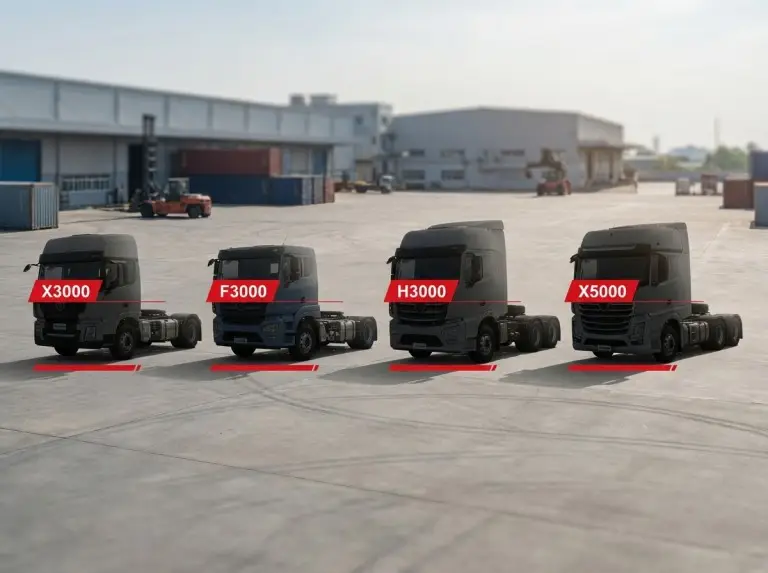
Shacman Model Lineup at a Glance
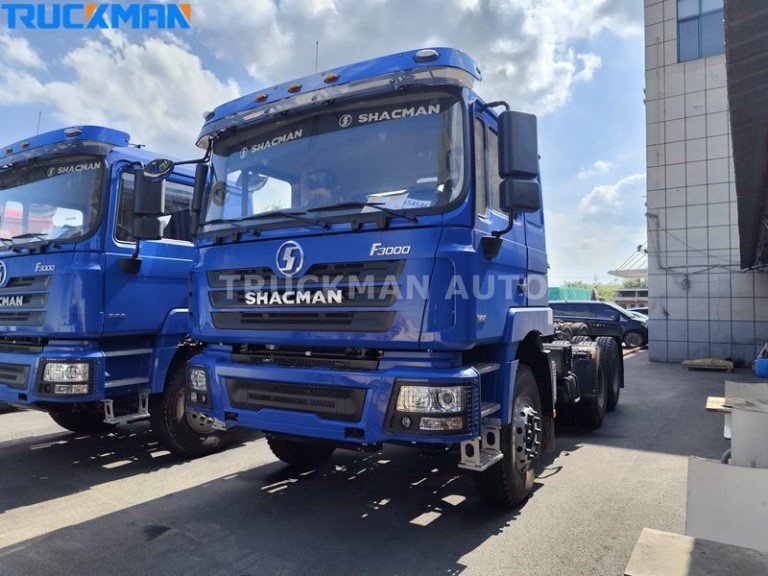
Shacman’s tractor lineup is easy to grasp as series with different roles. Then come configurations in each series. In our work, buyers often ask about X3000, F3000, H3000, and the newer X5000. Each series comes in multiple drive types and spec packages. So series is the start, not the end.
X3000 suits tougher duty. It meets high needs for powertrain and strength. F3000 works as a durable, cost-smart workhorse for mixed jobs. H3000 fits balanced efficiency and value in medium-to-heavy logistics. X5000 offers a premium, long-haul focus. It stresses aerodynamics, comfort, and smart features.
- X3000: heavy duty focus, demanding routes and high utilization.
- F3000: rugged all-rounder, construction and heavy logistics use cases.
- H3000: efficiency + value balance for regional and general freight.
- X5000: premium long-haul direction, comfort and efficiency upgrades.
How We Classify Shacman Tractor Models for Real-World Use?
The fast way to classify Shacman tractor models is to split into three layers. These are series role, drive setup, and key spec picks. This method stops spec chasing. It ties selection to your workload. If one layer is off, the truck may feel weak. It could be inefficient. It might mismatch.
- Layer 1: Series role sets the base for duty and features. It shapes how fleets package the truck for environments. This is why we start with X3000/F3000/H3000/X5000 as the first filter.
- Layer 2: Drive type is the next key choice. Most buyers pick between 4×2 and 6×4. Use 4×2 for mainly highway routes. It fits moderate gross weight. It boosts fuel economy. Pick 6×4 for traction needs. It suits grades, heavy loads, or rough sites.
- Layer 3: Key spec picks complete the match. The powertrain decides pull, climb, and cruise. Cabin and safety specs affect driver keep, fatigue, and daily use. We customize here. But only after the first two layers are set.

Main Types of Shacman Tractor Truck Models
Most fleets do well to choose by job type first. Then check which series and specs fit. Below are common tractor types we set up. Each has practical fit checks. Review them before you decide.
Long-Haul Tractor — Highway Freight and Linehaul
A long-haul tractor fits high highway miles. It suits stable routes. It stresses cruise efficiency and driver comfort. Spec choices cut fatigue. They support steady speeds. These matter as much as peak power. For steep grades or heavy stops, adjust powertrain and ratios.
Long-haul setups focus on aero details. They plan fuel range. They match driveline for highway speeds. Drive type is often 4×2 in low-traction markets. But 6×4 fits heavier loads, harsh weather, or routes needing grip.
Regional Distribution Tractor — Mid-Distance Routes and Mixed Loads
A regional tractor fits mixed highway and city routes. It handles more turns, stops, and varied loads. The truck needs balanced torque. It requires steady braking. It needs a cab for frequent in-and-out. For tight yards or docking, add maneuver and visibility.
Many regional fleets stress uptime. They pick easy setups. Choose a proven series. Then check drivetrain for average speed and grades. You can add comfort. But focus on reliable daily runs.
Heavy-Duty / Mining Tractor — High GCW and Harsh Conditions
A heavy-duty or mining tractor fits high GCW. It handles soft ground, dust, grades, and harsh sites. Traction, cooling, and build strength matter more than aero saves. For mixed highway and site, spec for the worst part.
For heavy work, 6×4 is common. It handles traction and load shifts. Powertrain picks stress torque band and durability over horsepower. Suspension and protection often rank high.
Port / Terminal Tractor — Yard Moves and Container Handling
A port or terminal tractor fits yard shuttles. It suits short cycles and frequent hooks. Low-speed control matters. Cab visibility is key. Safety features count. For controlled sites and short routes, shift from long-haul comfort to cycle speed.
Terminal tractors match port workflow. This includes coupling height and trailer types. For containers, consider yard rules and handling.
New Energy Tractor — Fleet Decarbonization and Controlled Routes
A new energy tractor fits controlled routes. It needs planned charging. It values low emissions and quiet runs. Route planning is part of model choice. For long-haul with detours, roll out slow.
These deploy first in ports, terminals, or fixed loops. Selection focuses on duty cycle. It checks energy use per route. It plans schedules over fuel range.
Powertrain and Drivetrain Options
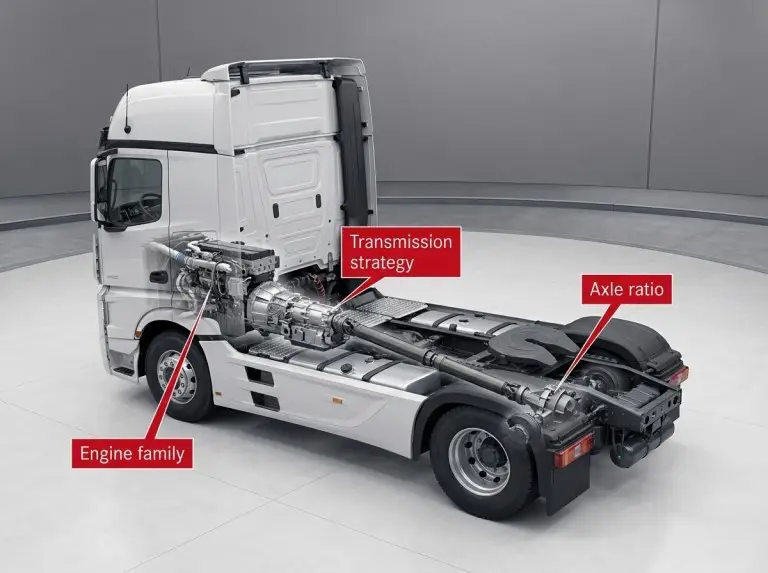
The powertrain match makes a Shacman tractor feel right on routes. This holds in the same series. We see it as three parts. These are engine family and power band. Next is transmission plan. Then rear axle ratio. Align them for steady pull, cruise, and efficiency.
Shacman tractors often use Weichai, Cummins, or MAN engines. This varies by market and setup. Match torque band to grades and payload. Skip headline numbers.
Transmission choice is next. Automated shifts cut workload. They boost consistency on long routes or with high turnover. Manuals fit fleets with skilled drivers who want control. Pick based on drivers, shifts, and needed steadiness.
Rear axle ratio often gets missed. But it sets grade strength or cruise fuel use. A highway ratio may feel weak on loads or hills. A pull ratio raises engine speed on flats. Ratio fits your route.
Cab and Spec Options
Cab and spec choices affect safety, fatigue, and driver keep. These can match fuel savings in fleets. We split cab picks into three: ergonomics and comfort, connectivity and control, active safety. For high use, comfort cuts fatigue. It boosts steadiness.
Ergonomic features start with seat quality and adjust. Then cabin layout, storage, climate. For long-haul, steady comfort aids output. For regional, storage and easy access matter.
Connectivity aids dispatch and routes. Navigation and info improve ops. Value comes from fleet-wide tools. Safety systems cut risks. Picks depend on roads and policy.
Common cab/spec priorities we see by operation
- Long-haul: seat comfort, noise control, climate stability, driver-assist support.
- Regional: visibility, storage workflow, fatigue reduction for frequent stops.
- Heavy-duty/site: durability of interior, controls that stay reliable in harsh use.
Our Model Selection Checklist by Job Scenario
To choose fast and skip mismatches, follow this order. Job scenario first. Then drive type. Next powertrain match. Last cab/spec priorities. This keeps picks practical. It avoids extra build where it fails to pay. It smooths RFQ and approval. Each choice ties to route.
Start by defining the job: cargo type, typical payload, daily distance, road condition, worst grade. Then pick 4×2 or 6×4 based on traction and loads. After, match powertrain to duty, including ratio.
Finally, pick cab and safety for seat time and route risks. For mixed fleets, standardize core specs. Vary only what routes need. This aids parts and driver ease. It avoids one-size-fits-none.
Conclusion
The best way to choose Shacman tractor models is to see model as series role plus setup. Skip single names. At Truckman Automobile, we start with your job. Then pick series. Confirm 4×2 vs 6×4. Match powertrain to route. After, set cab and safety to driver work.
If you follow this guide’s order, you avoid common mismatch. A truck looks good on paper but feels wrong on road. Share route and payload. We narrow to clear options.
FAQ
Which Shacman series should I start with: X3000, F3000, H3000, or X5000?
Start with the series that fits your duty and use. Then tune setup to route. X3000 fits tougher duty and high needs. F3000 suits rugged mixed work. H3000 offers efficiency-value balance. X5000 gives premium long-haul focus. Final fit depends on drive type and powertrain.
Should I choose 4×2 or 6×4 for a Shacman tractor?
Pick 4×2 for mostly highway routes. It suits low traction risk. It fits moderate loads for efficiency. Choose 6×4 for traction, grades, heavy GCW, rough sites, variable roads. If worst segment needs 6×4, go with it.
Are the same engines available in every Shacman tractor model?
No. Engine options vary by series, market, spec package. Shacman uses Weichai, Cummins, or MAN. Decide by torque band and support for duty. Select by route needs first. Then confirm engine in model path.
What powertrain detail most fleets overlook when choosing a model?
Axle ratio is often missed. It affects grade work and cruise efficiency. A flat highway ratio feels weak on loads or hills. Share your speed and grades. The choice gets clear.
Can you customize Shacman tractor configurations for different applications?
Yes. We customize around drivetrain and cab priorities tied to job. The goal is to cut mismatch. Get right drive type. Match torque band. Set shifting strategy. Pick safety/comfort set. This boosts uptime and driver steadiness.
What information should I prepare before selecting a Shacman tractor model?
Prepare typical and worst GCW. Get route grade profile. Note road mix. Add average cruise speed. Include main trailer type. With these, we narrow lineup fast. We propose series + setup combos. Without them, selection is guesswork. It leads to over- or under-spec.