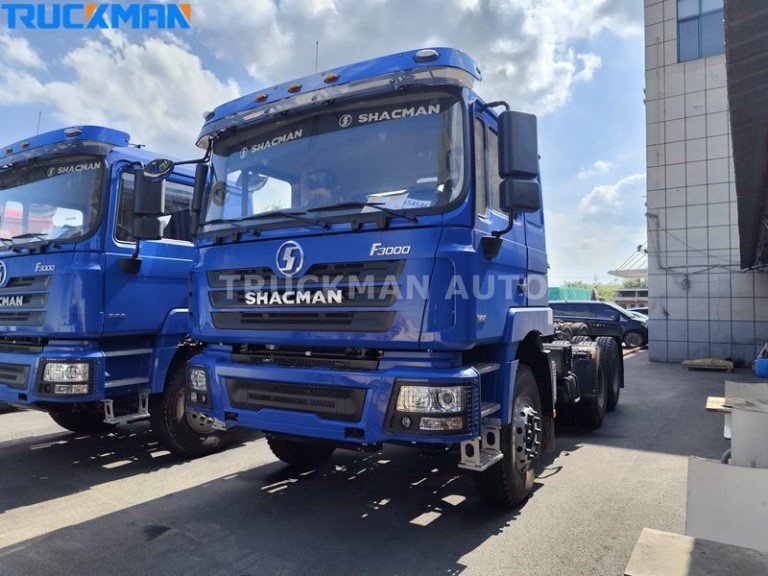
You need reliable Shacman tractor truck dimensions. Match the numbers to the exact series and configuration. As a Shacman dealer at Truckman Automobile, I handle custom builds.I can spec a Shacman tractor truck for sale to your yard access, trailer pairing, shipping limits, and route restrictions once we confirm the drive layout and series. The quickest way is to start with the drive layout like 4×2, 6×4, or 6×6. Then check the model series such as F3000, X3000, or H3000. Do this before you set a fleet plan.
Dimensions count most for yard access, trailer pairing, shipping, and route limits. Shacman dimensions can change even in the same series. Cab style, wheelbase layout, and fuel or CNG packaging alter the outer size. This guide helps you find the right range fast. Then confirm the exact spec for your unit.
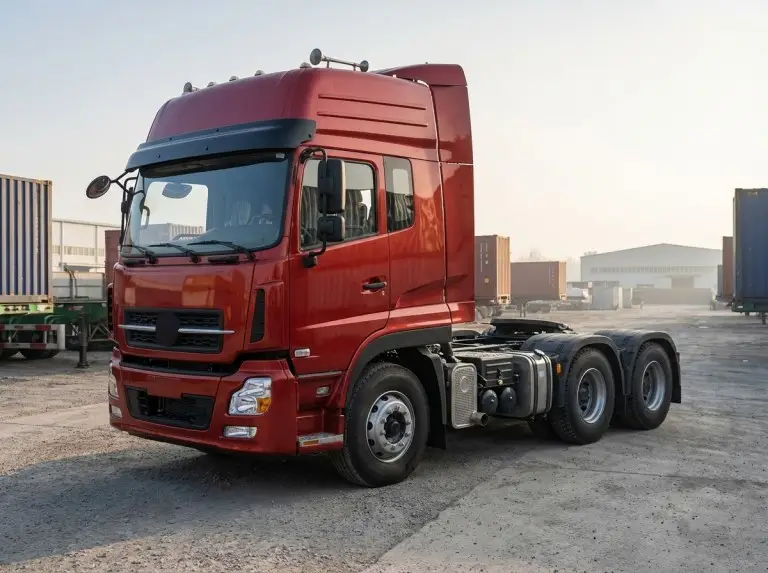
Dimensions Glossary (L×W×H, Wheelbase, Cab Height)
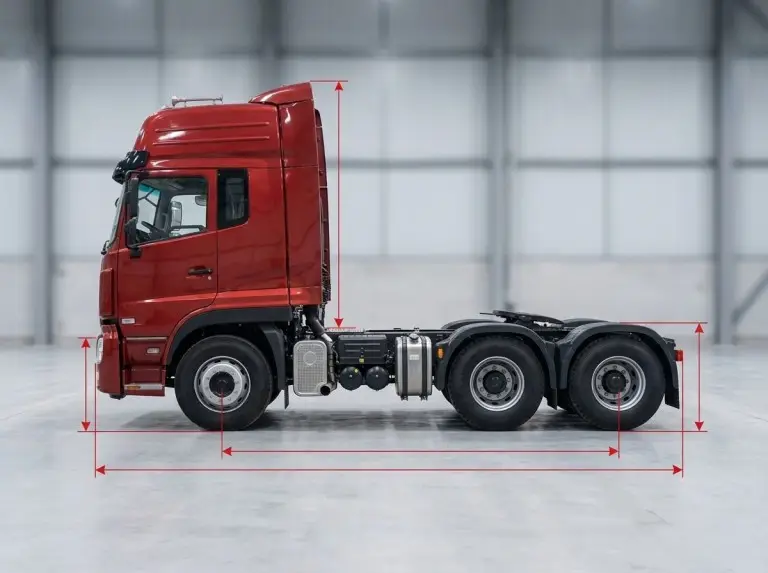
The first rule is simple. Overall dimensions (L×W×H) describe the outer size of the tractor unit as delivered for that setup. The exact points measured can differ by spec sheet. Bumper style, roof fairing, mirrors, and tires affect this. Treat overall dimensions as specific to the setup, not the whole brand.
Wheelbase is the distance between axle centers. On multi-axle tractors, it often shows as a split number. When you see 3175+1400 mm, it means the distance from the front axle to the first rear axle is 3175 mm. The spacing between the rear axles is 1400 mm. This format is common on 6×4 tractors. The tandem drive axles need description as a set.
Cab height causes many cases of same drivetrain but different height. A high-roof cab, roof fairing, or different air intake and exhaust routing can raise the top height by hundreds of millimeters. If you face a strict loading bay or shipping height limit, check cab height first.
Width stays the most stable. But it is not always fixed. Many Shacman tractors range from 2,490 to 2,580 mm wide. This depends on cab and trim. Spec sheets often list about 2,500 mm as a common reference. If your job needs exact lane, yard, or container clearance, confirm width from the exact setup sheet.
Main Types of Shacman Tractor Truck Dimensions
For most buyers, the quickest sizing shortcut is to group 4×2, 6×4, and 6×6 as main dimension families. Then check the series and cab. These families show the likely length and wheelbase pattern. They also predict the height range once you pick cab type and fuel system.
| Configuration | Typical overall length | Typical overall width | Typical overall height | Common wheelbase patterns (examples) | Typical use-fit |
|---|---|---|---|---|---|
| 4×2 | ~6,000–6,500 | ~2,490–2,580 | ~2,950–3,600 (cab-dependent) | Often single wheelbase options | General logistics, container routes, lighter tractor duties |
| 6×4 | ~6,150–7,000+ | ~2,490–2,580 | ~2,950–3,800+ (cab-dependent) | 3175+1400, 3200+1400 are common examples | Mainstream heavy hauling, broad trailer compatibility |
| 6×6 | ~6,850 (example) | ~2,490 (example) | ~3,700 (example) | 3775+1400 (example) | Extreme terrain, special routes, added chassis packaging |
The numbers above are practical ranges and examples. They are not a promise for every truck. A 4×2 is often the shortest. It avoids tandem axles and uses a simpler wheelbase layout. A 6×4 carries the middle sizing profile. But it can grow longer with longer wheelbase options for stability or packaging.
A 6×6 tends to grow in wheelbase and sometimes height. The extra axle and component placement cause this. In many real builds, the 6×6 layout forces different fuel or CNG packaging and frame spacing. Expect less consistency. When I quote a 6×6, I always see dimensions as a result of the setup, not a brochure line.
Further Reading: What Are the Shacman Tractor Truck Models?
4×2 — compact layout for general logistics and container routes
A Shacman 4×2 tractor is often the most compact option. It lands around 6,000 to 6,500 mm in overall length. This depends on series and wheelbase. That shorter size helps in tight yards, ports, and frequent coupling work. Turning and staging space are limited there.
The trade-off is layout reality. With a single drive axle, wheelbase options can vary. But the truck stays shorter than an equal 6×4. If you need predictable packaging for standard logistics, 4×2 keeps dimensions easy to control.
6×4 — mainstream dimensions for heavy hauling and mixed trailers
A Shacman 6×4 is the most common dimension profile. We build it for heavy transport fleets. It balances stability and manageable overall length. In practice, many 6×4 tractors fall in the 6,150 to 7,000+ mm length range. Widths run around 2,490 to 2,580 mm.
A common example on spec sheets is about 6785×2490×3560 mm for some 6×4 variants. But height changes fast with cab choice. Wheelbase often shows in split format like 3175+1400 mm or 3200+1400 mm. That split shows tandem spacing. If you compare two 6×4 quotes, wheelbase split often explains why lengths differ.
6×6 — longer/packaged chassis for extreme terrain and special operations
A Shacman 6×6 fits jobs that demand traction and axle layout flexibility. The dimensions reflect that. A common example is around 6850×2490×3700 mm. But actual builds can vary based on cab and component placement.
Wheelbase for 6×6 often needs more length. It accommodates the extra axle set and keeps distribution. One example is 3775+1400 mm. That longer front-to-first-rear distance raises the truck’s overall length. If your job leads to 6×6, check dimensions early. Standard is less standard here.
Dimensions by Model Series (F3000 vs X3000 vs H3000)
Configuration gives the dimension family. Series gives the likely cab and chassis packaging trends. In our daily quoting, series choice affects height more than expected. This happens with high-roof cabs and aero kits.
| Series | Example configuration | Example overall dimensions (L×W×H) | Example wheelbase notes |
|---|---|---|---|
| F3000 | 6×4 | ~6625×2499×3450 | Often shown with tandem splits such as 3175+1400 (varies by spec) |
| F3000 | 6×4 CNG | ~7475×2500×3720 | Can become longer due to CNG tank packaging |
| H3000 | 6×4 | ~6785×2490×3560 | Common 6×4 style wheelbase splits (varies) |
| X3000 | 6×4 CNG | ~6800×2496×2958 | Low height possible on specific cab/packaging variants |
| X3000 | 6×4 | ~6900×2500×3851 | High-roof/aero setups can push height up |
These examples show why you should not memorize one Shacman length. Even in one series, height can swing from under 3,000 mm to over 3,800 mm. Cab and roof equipment cause this. When a customer asks for X3000 dimensions, I always ask next: which cab and fuel system.
Between F3000, X3000, and H3000, height shows the biggest differences. F3000 builds can be tall for heavy-duty use and certain cab packages. CNG versions can stretch length because tanks need space. X3000 shows both low and high height examples. Its cab and aero options vary by market spec.
What Changes the Size (Cab Style, Wheelbase Layout, Fuel/CNG Packaging)
Most dimension mismatches come from three spots: cab style, wheelbase layout, and fuel or CNG packaging. Control these three to avoid surprises after a truck arrives.
Cab style changes height first. It can change length a bit with bumper and accessories. High-roof cabs, roof fairings, and certain intake or exhaust routes can shift a truck from fit to no fit. If you have a strict height limit, see cab choice as a sizing decision, not just comfort.
Wheelbase layout changes length, stability, and trailer balance. On 6×4 and 6×6 tractors, wheelbase shows as a split number. Different splits make a real difference in overall length. Longer wheelbase fits when your job needs stability and packaging space.
Fuel system packaging drives dimensions quietly, especially on CNG models. CNG tanks are large. They need safe mounting. This often changes frame layout. It can extend overall length or alter height by placement. Compare diesel to CNG as different packaging, even if the badge matches.
Other small contributors change outer dimensions. Tire size, suspension ride height, roof equipment, and regional trim packages can shift final height and sometimes length. Our quoting process ends with an exact spec sheet check, not a generic brochure.
How We Confirm Exact Dimensions Before You Order?
See dimensions as a confirmed result of a specific setup, not a marketing line. In our Truckman Automobile workflow, we finalize dimensions after we set series, drive layout, cab, wheelbase, and fuel system. Those choices define the final size.
Here is the practical workflow we use. You can use it too to confirm exact dimensions before purchase:
- Define the constraint that matters most (length, height, or wheelbase). If you have a hard limit like shipping height, garage door, or yard turning, name it first. This keeps the build from drifting.
- Lock the configuration family (4×2 / 6×4 / 6×6). This sets the baseline length and wheelbase format on the spec sheet.
- Choose the series (F3000 / X3000 / H3000) and cab style. This is where height changes most, especially with high-roof packages.
- Confirm fuel system packaging (diesel vs CNG) early. CNG can change length and sometimes height. Do not treat it as a late add-on.
- Select the wheelbase layout and read it in split form when applicable. For 6×4 and 6×6, confirm the split like 3175+1400 vs 3200+1400. It affects overall length and trailer pairing.
- Request the configuration-specific specification sheet and match the model code. The spec sheet should list overall L×W×H and wheelbase for that exact variant, not a series average.
- Confirm measurement inclusions and installation status. Ask if the listed height includes roof fairings. Check if the listed length includes specific bumper packages. These details can differ by market.
Follow these steps to get a number you can plan with. Skip them and you may compare two 6×4 tractors that are not equal in size. That difference is configuration reality.
Conclusion
Shacman tractor truck dimensions are easy to grasp. Treat them as a result of configuration and series, not a fixed spec. Start with drive layout like 4×2, 6×4, or 6×6. Then use model series such as F3000, X3000, or H3000 to narrow height and packaging range. Finally, confirm exact wheelbase split and fuel system.
In our Truckman Automobile process, dimension certainty comes from a simple sequence. Define your constraint. Lock the configuration family. Choose the series and cab. Confirm diesel vs CNG packaging. Then check everything against the setup-specific spec sheet. Follow that path to avoid mismatches where two trucks share a name but not a size. This turns Shacman dimensions into reliable planning data.
FAQ
What is the typical overall size range for Shacman tractor trucks?
Most Shacman tractor dimensions fall between about 6,150 to 7,475 mm in length. Width runs from 2,490 to 2,580 mm. Height goes from 2,958 to 3,800+ mm. But match this to a specific series and cab package. Height varies most because cab style and roof equipment change it fast. For planning, start with configuration. Then confirm with the exact spec sheet.
How long is a Shacman 4×2 tractor truck in practice?
A 4×2 Shacman tractor is often in the 6,000 to 6,500 mm length range. Assume a standard tractor layout without odd packaging. The exact number depends on wheelbase and front or rear trim. If yard space and turning matter, 4×2 is the most stable starting point for dimensions.
How do I read wheelbase numbers like 3175+1400 mm?
It means a multi-axle layout. 3175 mm is front axle to first rear axle. 1400 mm is spacing between rear axles. This format fits 6×4 and 6×6 tractors. The tandem or multiple rear axles need description as a set. When you compare two trucks, different split values explain different overall lengths.
Why do CNG versions sometimes have different dimensions than diesel versions?
CNG tanks need space and safe mounting spots. So chassis packaging can change length and sometimes height. Some CNG examples show longer overall length than similar diesel variants. If you consider CNG, see dimensions as specific to the setup. Verify early.
Are F3000, X3000, and H3000 dimensions “fixed” within each series?
No. Each series has typical ranges. But dimensions vary in the same series due to cab type, wheelbase options, and packaging differences. For example, X3000 can seem low in height on certain setups. Yet it can exceed 3,800 mm on high-roof or aero setups. The only safe number ties to the exact model code and setup sheet.
What is the fastest way to confirm the exact dimensions for the truck I’m ordering?
Lock configuration, series, cab, fuel system, and wheelbase. Then confirm overall L×W×H and wheelbase from the spec sheet for that exact variant. This avoids guesses from series averages that may not match your build. If you share your trailer type and constraints, we can help pick a dimension-safe setup before final check.