As a professional China semi trailer supplier, Truckman Automobile sees bobtail moves as a normal part of daily dispatch. A tractor drops a trailer at a customer’s site. It disconnects the fifth wheel and lines. Then, it travels to the next pickup or back to the yard.
Your team can reduce safety risks by understanding what “bobtail” means. Knowing why it drives differently also helps avoid costly dispatch confusion. This guide focuses on the essentials. It covers the definition, name origin, key physical traits, and safety basics. It also compares bobtailing with deadheading.
What Is a Bobtail in Trucking?
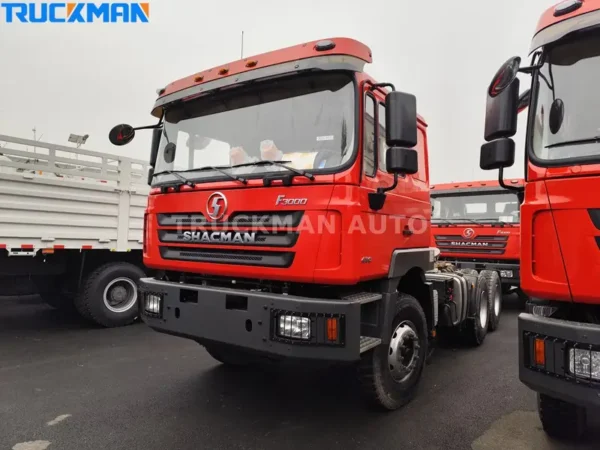
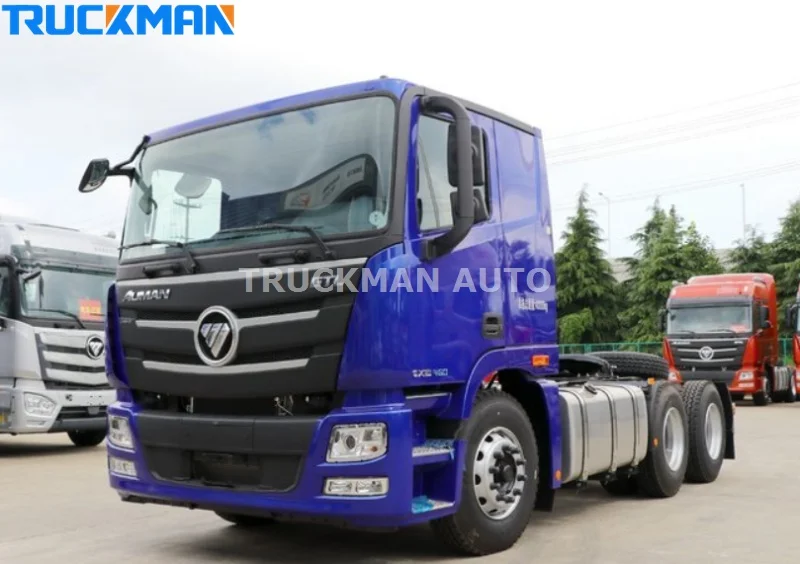
A bobtail is a road tractor operating without a trailer attached. This usually happens after a drop-off. The driver may be moving to pick up the next trailer. Or they could be returning to a terminal or heading for service.
In simple terms, the tractor is a full-size power unit. But its “tail” (the trailer) is gone. That missing trailer weight changes how the truck feels. It affects traction and braking. This is why bobtailing is a distinct way of operating.
Why It’s Called “Bobtail?
The tractor looks like it has a shortened tail when the trailer is gone. This is why it’s called a “bobtail.” The name is linked to “bobtail” animals, like short-tailed cats. It also relates to the old practice of cutting a horse’s tail short.
In fleet language, “bobtail” describes the setup (no trailer). “Bobtailing” describes the action of driving that way. People sometimes confuse it with “deadheading.” To be clear, just ask one question: Is a trailer physically attached or not?
Physical Characteristics of a Bobtail Tractor
A bobtail tractor is shorter than a full tractor-trailer. But it is not a “light” vehicle. A tractor still carries a heavy engine and frame. It also has a drivetrain, a sleeper (if it has one), fuel, and other equipment.
A common reference size for a bobtail tractor is about 24 feet long. It is around 13 feet 4 inches high and roughly 96 inches wide. A tractor in bobtail form can still weigh up to 20,000 pounds. This includes the driver, full fuel, and DEF.
The most important change is how weight is spread out. Without a trailer’s kingpin load, the drive axles become lighter. This reduces rear-tire grip, especially on wet or icy pavement. The tractor can feel more “nervous” during braking or quick steering.
Main Types of Bobtail
Semi-Truck Tractor (No Trailer)
In everyday trucking, a “bobtail” usually means a semi-tractor with no trailer. This typically happens between a trailer drop-off and the next pickup. It also occurs when moving within terminals, yards, and customer sites.
This setup is great for repositioning and saving time. But it is not for hauling freight. The tractor’s rear traction is lower than what drivers expect. They are used to pulling a loaded trailer.
Straight Truck “Bobtail
In some cases, “bobtail” can describe a straight truck. This is a truck with all axles on one chassis. It is used for local, short-haul work. These trucks are common in light- to medium-duty jobs. Maneuverability is more important than a large payload here.
This meaning depends on the context. It can confuse dispatch. If someone in a mixed fleet says “bobtail,” you should confirm what they mean. Do they mean a tractor with no trailer, or a straight truck for local delivery?
Propane Bobtail Truck
In the propane industry, a “bobtail” is a specific truck. It has a propane tank mounted directly on its chassis. These trucks are designed for frequent stops and tight access. They serve neighborhoods, small businesses, and rural driveways.
Many propane bobtails hold around 2,000 to 4,000 gallons. The capacity depends on the build and local rules. Their advantage is controlled delivery and access, not long-haul bulk transport.
|
Bobtail |
What it usually means |
Typical use |
|---|---|---|
|
General trucking |
Tractor with no trailer |
Between drop-off and pickup, terminal reposition |
|
Straight truck fleets |
Straight truck used locally |
Local short-haul tasks |
|
Propane delivery |
Chassis-mounted LPG tank truck |
Residential/commercial propane delivery |
Bobtailing Safety Basics
Bobtailing feels different because the trailer’s weight is gone. The drive axles have less downward force. This means less available traction. Bobtailing can feel fine at a steady speed. But it becomes risky during braking, lane changes, or turns. This is when traction demand suddenly increases.
Hard braking is the most common surprise for bobtail drivers. With a lighter rear, the drive tires can lose grip easily. This makes the tractor less stable on slick roads. It is also more sensitive to sudden movements.
The safe routine starts at the disconnect. Make sure the trailer has proper support. The landing gear should be set and stable. Handle the lines correctly and clear the area. Then, drive as if you are in a low-traction situation, even on dry roads.
Practical bobtail driving checklist
- Increase following distance and plan stops earlier.
- Brake smoothly; avoid stabbing the brakes.
- Slow down before curves and ramps, not in the middle of them.
- Be extra cautious on wet or icy pavement where rear grip drops fast.
- Use gentle steering; sudden corrections can trigger a slide.
Bobtailing vs. Deadheading
Bobtailing means driving with no trailer attached. Deadheading means moving with no paying load. This often involves pulling an empty trailer. Both are “non-revenue miles.” But they are different equipment states with different handling.
|
Term |
Trailer attached? |
What’s “empty”? |
Why it matters |
|---|---|---|---|
|
Bobtailing |
No |
No trailer at all |
Shorter, drive axles can be light |
|
Deadheading |
Usually yes |
Trailer is empty (no freight) |
Still has trailer length/weight, different tracking |
Conclusion
A bobtail is a tractor running without a trailer. That missing weight is why it behaves differently. If your team uses “bobtail” for straight trucks or propane delivery, confirm the meaning first. This helps dispatch and drivers stay aligned.
From our side at Truckman Automobile, clear bobtail knowledge is key. It makes daily repositioning with our custom semi-trailers safer and smoother. Treat bobtailing as a normal activity, but always drive with a bigger safety margin.
FAQ
What does “bobtail” mean in trucking?
A bobtail is a tractor operating without a trailer attached. It is most common between dropping one trailer and picking up the next.
Is bobtailing the same as deadheading?
No. Bobtailing means “no trailer.” Deadheading usually means moving with an empty trailer or no paying load. The presence of a trailer changes the vehicle’s length and stability.
Why can bobtailing feel more dangerous than pulling a trailer?
The drive axles are lighter, so rear traction is reduced. This is especially true on wet or icy roads. Sudden braking or sharp turns are more likely to cause a skid.
Does a bobtail stop faster because it’s shorter?
Not always. Being shorter does not guarantee better braking control. With less weight on the rear, the tractor can lose grip easily. You should still leave extra stopping distance.
When do drivers usually bobtail?
Drivers often bobtail after dropping off a trailer. They then move to the next pickup location, return to a terminal, or go for maintenance.